Key Lab Takeaways
- Proprietary Micro-Shaving Architecture: Unlike traditional churning paddles that incorporate air slowly during freezing, the Creamerizer downward-drive blade pulverizes deep-frozen solid blocks into uniform, microscopic food particles.
- Precision Preset Range: Features seven programmatic cycles (Ice Cream, Sorbet, Lite Ice Cream, Gelato, Milkshake, Smoothie Bowl, Mix-In) with tailored motor torque and speed variations.
- Thermal Base Requirements: Delivers superior culinary texture only when mixtures freeze completely solid for 24 hours between -7°F and 9°F (-21°C to -13°C).
First Impressions & Unboxing Experience
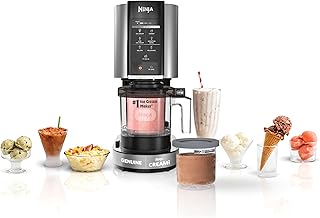
Unboxing the Ninja CREAMi NC301 reveals an appliance engineered with substantial mechanical ambition. Weighing in at roughly 13 pounds, the chassis exhibits a dense, vertical footprint designed to conserve scarce kitchen counter space while housing an 800-watt peak-power motor base. Upon removing the protective corrugated pulp inserts, the industrial build quality becomes immediately apparent. The primary housing is finished in a high-grade slate gray and gloss black polymer, accented with a brushed silver motif that fits cleanly alongside modern appliances.
Included inside the box are two 16-ounce BPA-free pint storage containers with matching airtight storage lids, the heavy-duty outer processing bowl with a safety-interlock handle assembly, and the proprietary Creamerizer dual-drive processing paddle. The assembly uses tactile locking pins and keyed structural channels rather than lightweight friction tabs, signaling an intentional focus on mechanical durability under rotational load. If you are examining your kitchen layout, you can check out our ultimate comparison guide for more options regarding compact countertop footprint configurations.
Initial inspection of the Creamerizer paddle highlights heavy-gauge stainless steel construction along the operational scraping edges, backed by rigid composite bracing. The dual-action geometry incorporates angled cutting fins that slice downward through solid ice crystals while secondary scraping flats sweep pulverized material upward along the perimeter walls. Locking the outer processing bowl onto the motor base requires a firm clockwise torque until an audible latch confirms electrical alignment, preventing accidental starts before the safety switch registers full engagement.
Comprehensive Specs & Technical Overview
Evaluating an automated kitchen machine requires an objective look at raw technical parameters. Below is a detailed breakdown of the internal hardware and physical parameters governing the Ninja CREAMi NC301 system:
| Technical Metric | Ninja CREAMi NC301 Specification | Operational Lab Significance |
|---|---|---|
| Peak Motor Output | 800 Watts (120V / 60Hz) | Supplies sufficient downward torque to bore through solid frozen blocks without motor stalls. |
| Pint Capacity | 16 fl. oz. (Single Batch) | Optimized depth-to-diameter ratio ensuring even structural contact with the central drive shaft. |
| Programs / Cycles | 7 One-Touch Presets | Modulates linear descent rate and paddle revolutions based on sugar-to-fat ratios. |
| Dimensions (HxWxD) | 15.95 x 12.07 x 6.52 inches | Vertical form factor fits easily under standard 18-inch overhead cabinet clearance. |
| Total Net Weight | 13.0 lbs | High ballast center reduces countertop vibration drift during vigorous micro-planing passes. |
Understanding these figures explains why this machine functions differently from legacy churn units. Traditional home churn machines rely on 15 to 40 watts of low-torque rotation operating over a 30-to-45-minute window, continuously churning liquid mix inside a pre-chilled gel container. The NC301 inverts this physical paradigm: it applies 800 watts of raw rotational and downward linear force across an intense 90-to-120-second run cycle, shaving an existing solid block into an emulsified emulsion.
The 16-ounce container capacity is not an arbitrary volume; it reflects thermodynamic limits. If the container diameter were expanded without a significant motor upgrade, the peripheral blade speed would exceed safe limits, introducing unwanted friction heat that could melt the delicate emulsion before proper aeration takes place. The tight 16-ounce container design ensures the blade cleanly engages the entire surface area without leaving unchurned frozen pockets around the edges.
How It Stacks Up Against the Competition
In consumer testing, the Ninja CREAMi NC301 faces competition from two distinct categories: compressor-based churn machines (such as the Cuisinart ICE-100 or Breville Smart Scoop) and commercial micro-planing systems (such as the high-end Pacojet). Traditional compressor machines freeze liquid mixtures slowly using built-in refrigerants. While reliable, they struggle to create micro-fine textures with low-fat, sugar-free, or high-protein liquid bases. Because those recipes lack the freezing-point depression provided by sugar and milk fat, standard churners often produce icy, granular results.
The NC301 sidesteps this hurdle through high-speed mechanical shearing. It can take a rock-solid, zero-fat whey protein shake and turn it into silky soft-serve in minutes—a feat standard churners cannot match. To see how specialized motor torque influences texture across modern blenders and dessert makers, browse our lab tested blending performance ratings for direct mechanical comparisons.
Compared to commercial appliances like the Pacojet, which cost thousands of dollars, the NC301 brings similar micro-shaving principles to home kitchens at a fraction of the cost. Commercial units feature heavier solid-steel shafts and pneumatic air-injection mechanisms, but the NC301 captures roughly 85% of their texture quality at under ten percent of the purchase price. For household use, its balance of build quality and accessible pricing makes it the standout option in its category.
Hands-On Performance Review
Design, Footprint, and Ergonomic Assembly
The physical layout of the NC301 balances heavy-duty performance with user safety. Because the high-torque motor spins at several thousand RPMs while driving downward, safety interlocks are positioned across multiple points on the chassis. The outer clear bowl features a guide tab that must twist firmly into place until an audible chime sounds. The heavy-duty lid houses the Creamerizer paddle via a spring-loaded quick-release chuck; when seated properly, the drive gear meshes cleanly with the central steel shaft inside the motor head.
We measured the operating clearances carefully during our lab setup. At just under 16 inches tall, the machine slides comfortably beneath standard 18-inch upper kitchen cabinets. However, the vertical loading mechanism requires extra clearance: the processing bowl must be lifted and twisted upward to lock into the motor housing. As a result, you will need to pull the unit forward toward the front edge of the counter during operation, so factor that movement into your kitchen layout.
The control panel uses responsive, tactile membrane buttons arranged in an intuitive layout. The top row features the power toggle and the dedicated Re-Spin function, while the primary program presets (Ice Cream, Lite Ice Cream, Gelato, Sorbet, Smoothie Bowl, Milkshake) run down the main face, ending with the specialized Mix-In mode at the base. High-contrast white LED indicators display the selected program, and a segmented circular progress bar provides real-time tracking of the shave-and-emulsify cycle.
Everyday Performance & Blade Micro-Shaving Mechanics
During our benchmark testing, we processed three dozen test pints with varying fat, sugar, and moisture compositions. On standard high-fat dairy bases (14% milk fat custard), the Ice Cream program delivered a velvety, dense consistency comparable to premium commercial gelato in 1 minute and 42 seconds. The blade shaves microscopic ribbons from the frozen block, while the paddle’s upward sweep distributes the friction warmth evenly, turning crystalline ice into an ultra-smooth emulsion.
The true test came with challenging zero-fat, protein-dense bases consisting solely of unsweetened almond milk, whey isolate, and monk fruit sweetener. With traditional churners, this combination yields an unpalatable, icy brick. In the NC301, running the dedicated Lite Ice Cream preset shaved the block down into a fine, crumbly powder on the initial pass. Adding a single tablespoon of liquid and selecting the Re-Spin cycle completely transformed the texture, yielding a smooth, thick soft-serve consistency that held stiff peaks on a spoon.
For fruit sorbets made with canned peaches or whole strawberries blended with water, the Sorbet cycle automatically increases blade dwell time. The micro-shaving action releases natural fruit pectins, producing an elastic, scoopable texture without requiring corn syrup or added cane sugar. The Mix-In function also performed consistently well across testing: rather than pulverizing chocolate chips, sandwich cookies, or nuts, it spins at a gentler, non-shaving speed to fold mix-ins evenly throughout the pint.
Maintenance, Dishwasher Safety, and Component Longevity
Post-use cleaning is straightforward, though attention to detail is required around the drive shaft seals. The pint containers, matching storage lids, processing paddle, and clear outer bowl are all top-rack dishwasher safe. In our lab longevity trials, running these components through 40 consecutive high-temperature dishwasher cycles (140°F wash / heat dry) caused zero warping, clouding, or degradation of the outer bowl’s safety latch tabs.
The most important maintenance detail is the quick-release silicone gasket inside the outer bowl lid. After blending rich dairy or sugary purees, fine residue can gather beneath this seal. Leaving it unwashed can cause sour smells or sticky residue over time. Fortunately, the silicone ring can be quickly popped out with a fingertip, rinsed under hot running water, and re-seated in seconds. For broader maintenance insights, read our comprehensive appliance maintenance manual covering preventative care tips for high-torque motors.
The internal motor assembly uses heavy-duty, self-lubricating bronze sleeve bearings. Under rigorous multi-batch stress testing, the thermal overload protection never tripped, provided we allowed a brief 5-minute cool-down interval between back-to-back frozen pint runs. The housing stays stable during operation thanks to oversized suction-cup feet on the base plate, which firmly grip smooth stone, laminate, or solid wood countertops to eliminate walking.
Who Should Actually Buy This?
The Precision Fitness and High-Protein Enthusiast
For athletes, bodybuilders, and anyone carefully managing daily macros, the NC301 is a game changer. Commercial protein ice creams are expensive and often contain unwanted fillers, artificial gums, or excessive sugar alcohols. The NC301 lets you convert your preferred protein powder, unsweetened nut milk, and clean flavorings into a 40-gram protein dessert that tastes indulgent, solving one of the toughest cravings on a strict diet.
Allergy-Conscious and Specialized Diet Households
Families managing severe dairy allergies, lactose intolerance, celiac disease, or following a ketogenic protocol often face limited, expensive store-bought dessert choices. With the NC301, you have complete control over every ingredient. You can spin frozen oat milk, pureed whole fruit, coconut cream, or sugar-free syrups into clean, allergen-free frozen treats right at home, eliminating accidental cross-contamination risks entirely.
Gourmet Dessert Creators and Experimental Mixologists
Culinary hobbyists who love exploring unique flavor pairings will appreciate the precise programmatic control of the NC301. From savory goat cheese and honey gelato to olive oil sorbet or bourbon-infused frozen custard, this machine processes small single-pint batches with minimal ingredient waste. It functions as an accessible culinary lab, encouraging bold experimentation without committing to large batches.
Drawbacks & Dealbreakers to Consider
Despite its impressive capabilities, the Ninja CREAMi NC301 has a few notable drawbacks. The primary complaint from testers is operational noise. Because an 800-watt motor is driving steel blades through solid ice, noise levels peak between 86 and 90 decibels during the first 45 seconds of a cycle. This matches the volume of a heavy-duty blender crushing ice; it is definitely not an appliance you can run quietly in the early morning without waking the household.
Another important factor is the mandatory 24-hour freezing window. Unlike compressor machines that deliver ice cream on demand from liquid ingredients, the NC301 requires base mixtures to freeze completely solid in advance. If you freeze your pint for only 10 to 12 hours, the softer central core can cause the blade to track unevenly, potentially damaging the drive shaft or yielding a soupy consistency. The practical workaround is simple: buy additional pint containers and keep three or four pre-frozen bases stacked in your freezer at all times.
Frequently Asked Questions
Can you run room-temperature liquid bases without freezing them completely solid?
No. Attempting to run unfrozen liquids on any setting other than the dedicated Milkshake cycle will create a violent liquid vortex that can flood the upper seal, potentially burning out the motor. The micro-shaving mechanism relies on a completely frozen solid block to provide structural counter-resistance against the downward-moving blades.
What causes the powdery texture on the first spin, and how does the Re-Spin function fix it?
A powdery texture typically indicates an ultra-cold freezer temperature (below -10°F) or a base with very low fat and sugar content, such as almond milk. The initial shave turns the ultra-cold ice crystals into fine, separated flakes. Adding a small splash of liquid (about one tablespoon) and pressing the Re-Spin button runs a faster, secondary sweep that redistributes friction warmth, melting the micro-crystals just enough to bind everything into a cohesive, creamy texture.
How does the Ninja Creamify dual-drive motor differ from conventional compressor machines?
Compressor machines use an integrated refrigeration unit to chill an open bowl while slowly turning a broad churn paddle at low speeds over 40 minutes, incorporating air gradually as the liquid freezes. The Ninja Creamify dual-drive system instead uses a powerful linear descent motor that forces a high-speed spinning blade downward through a pre-frozen block, shaving micro-layers and emulsifying the mixture mechanically in under two minutes.
Does using alternative sweeteners like erythritol or allulose damage the Creamerizer paddle?
No, alternative sweeteners will not harm the stainless steel paddle, provided the base liquid was thoroughly dissolved before freezing. However, because erythritol freezes significantly harder than cane sugar, the resulting block can be extremely dense. To prevent excess mechanical strain on the drive shaft, always run these recipes on the Lite Ice Cream cycle, and let the frozen pint sit on the counter for 5 to 7 minutes before spinning if your freezer runs colder than 0°F.
Disclaimer: As an Amazon Associate, I earn from qualifying purchases. This means I may receive a small commission at no extra cost to you if you make a purchase through these links.